Account Name: ABC Foundation
Account No.: 1234567890
IFSC: HDFC0001234
Amount:
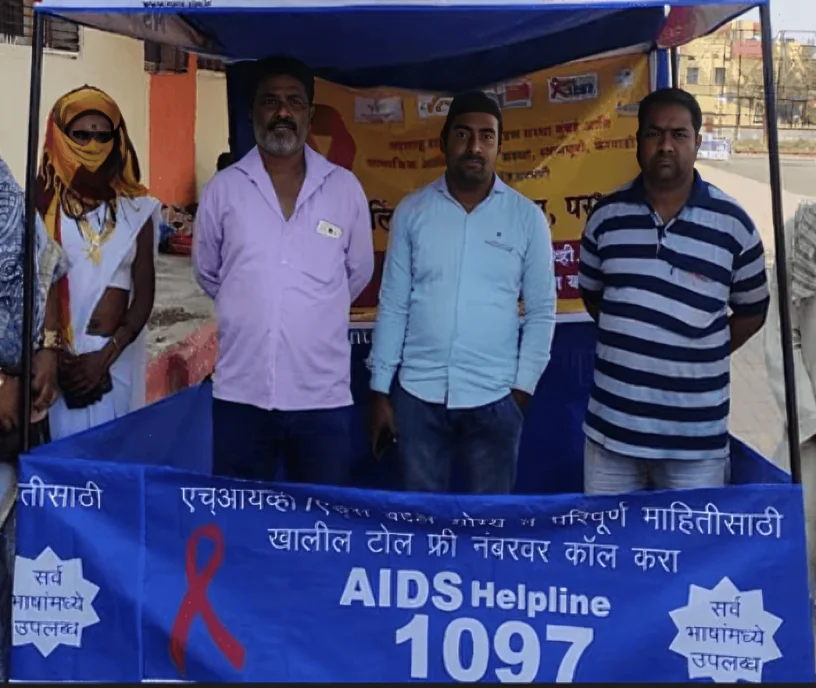
At SEDT, we believe that every person deserves a healthy and dignified life. With this vision, we began working on HIV/AIDS prevention under the MSACS Targeted Intervention (TI) program, focusing on some of the most vulnerable groups in society — Female Sex Workers (FSWs) and Men who have Sex with Men (MSMs).
Our journey started after a baseline survey revealed an urgent need to:
Today, we are actively working across multiple locations in Parbhani district — reaching out to thousands through health services, awareness sessions, and peer support networks.
We currently work across:
SEDT has been working with FSW and MSM communities in Parbhani district since 2005. Our early efforts focused on reducing STI infections and preventing the spread of HIV/AIDS among high-risk groups.
The program began during the 3rd phase of the National AIDS Control Programme (NACP III), which aimed to stop and reverse the HIV epidemic. We are now implementing the 4th phase (NACP IV) — expanding our focus from prevention to care, support, and empowerment.
Under the NACP IV, our goal is to:

The HIV Targeted Intervention Project by SEDT focuses on improving health, awareness, and dignity among vulnerable communities. Our work is guided by clear objectives — to prevent HIV, promote regular healthcare, and support people living with HIV (PLHIV) through care and empowerment.
Our Services:-
To achieve these goals, SEDT provides the following services:
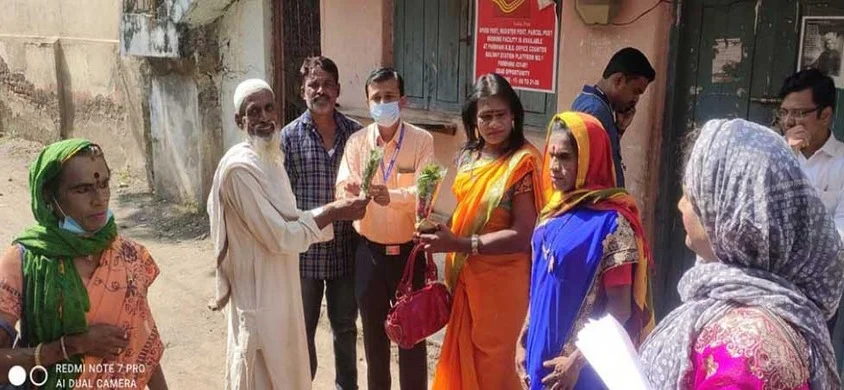
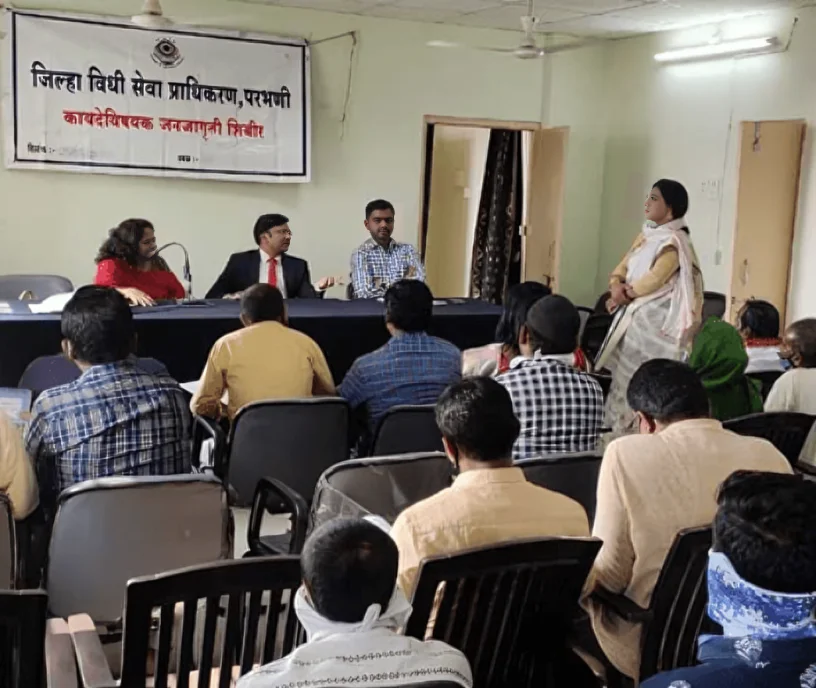
At Kerwadi, SEDT works closely with the community to raise awareness about HIV/AIDS, health rights, and local laws. We organize site-level meetings, advocacy events, and crisis response sessions to reach high-risk groups effectively.
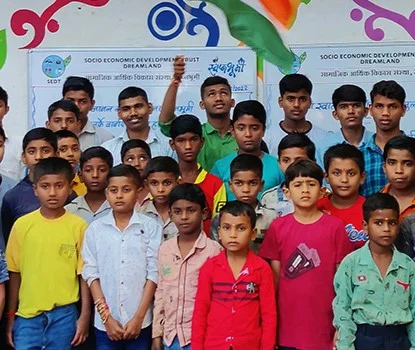
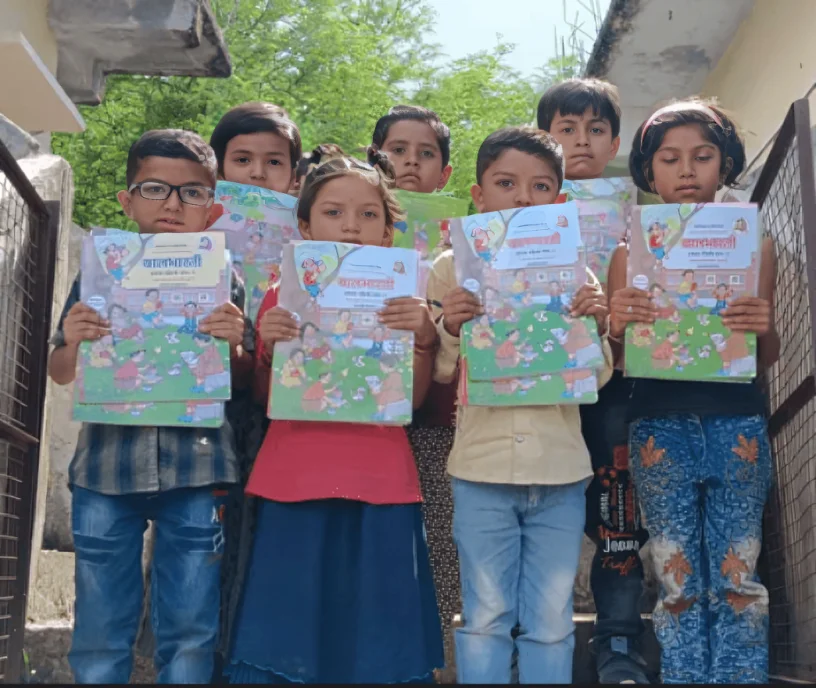
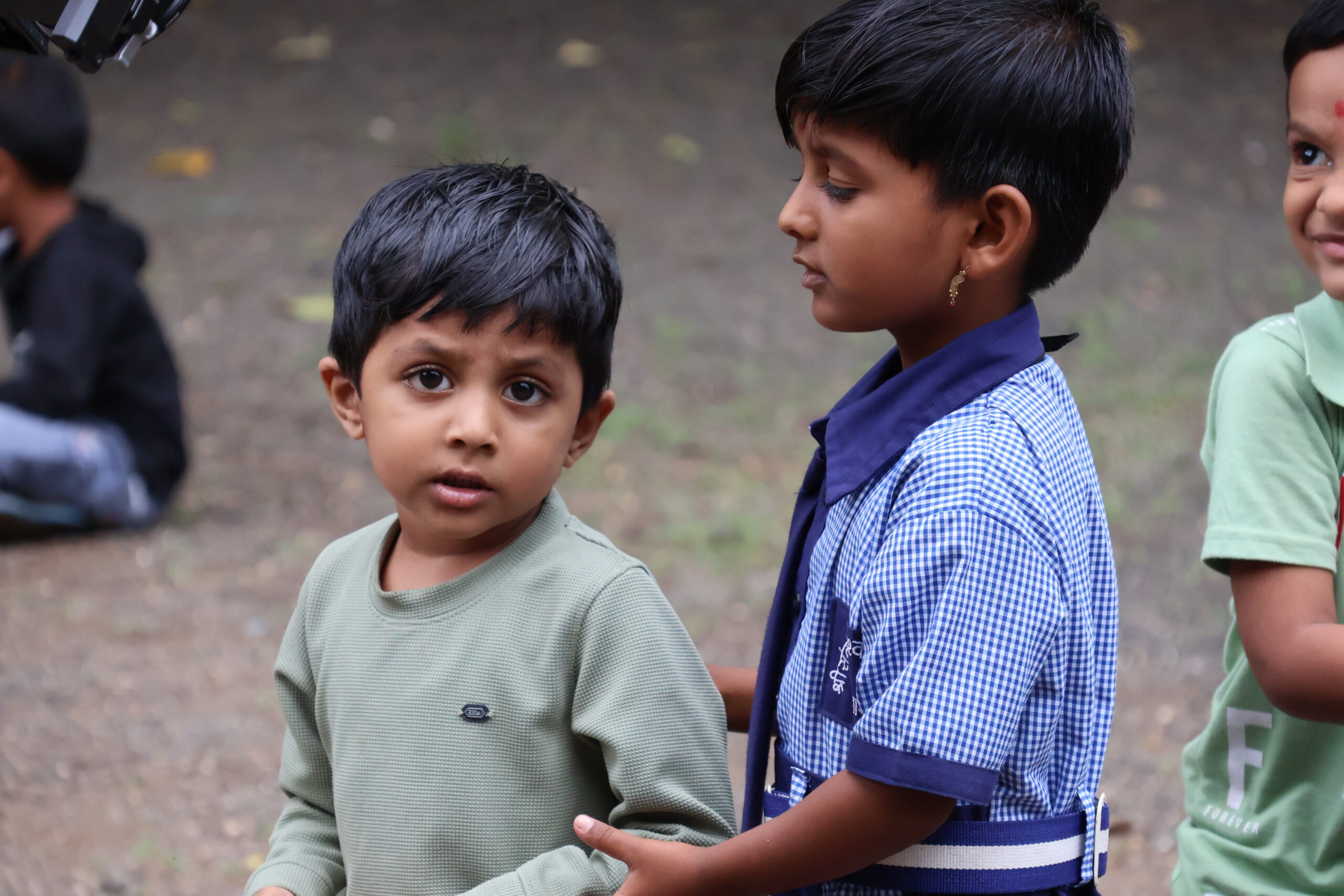
We also run PLHIV support groups, offering nutrition, counseling, and emotional support to those affected. Through the Bal Sangopan Yojana, we help ensure the education and care of children of sex workers, giving them a fair chance at a better future.
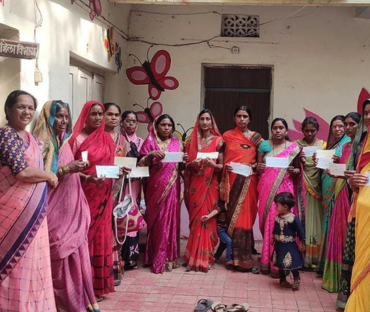
Beyond health, we empower community members by helping them obtain government IDs, access social entitlements, and form community-based organizations. These groups build local leadership, encourage participation, and make health and social services more accessible to all.