Registration Form

Rules and Regulations

Alumni Registration

History of Firodia Karandak

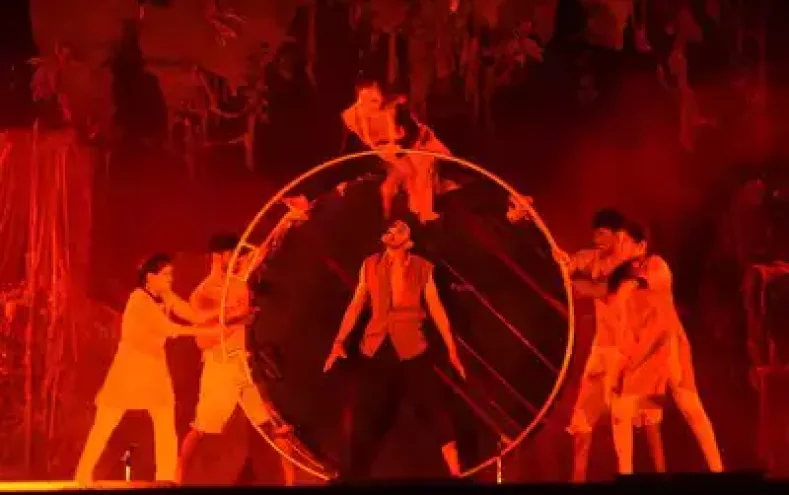
Firodia Karandak began in 1974 as the creative vision of Mr. Suryakant Kulkarni. For the past 46 years, it has been a prestigious platform where college students from across Maharashtra come together to express their imagination, creativity, and artistic talent. What makes Firodia Karandak truly unique is its “Cinema on Stage” concept everything you see and hear is performed live. No pre-recorded music, no background tracks  just pure, live talent. Every song, dance, dialogue, sound effect, and lighting change happens right there on stage. If any team uses pre-recorded elements, they are immediately disqualified.

The idea is simple yet powerful to help young people develop their artistic skills, work as a team, and gain confidence in expressing themselves creatively.

Evolution of the Competition

Over the years, Firodia Karandak has grown far beyond traditional drama. It now includes a wide range of artistic and technical elements such as, Sculpture and pottery, Painting and set design, Live orchestra and music, Puppet dancing, Innovative use of lighting and stage effects, and various tribal and local art forms. Engineering and design students have added a new dimension to the competition by introducing technology on stage using projectors for shadow plays, advanced sound systems, and creative stage mechanisms that make every performance dynamic and modern.

Reviving Local and Traditional Art Forms

Firodia Karandak is not just about performance , it’s about preserving culture and creativity.
This platform encourages young artists to explore and research traditional, tribal, and local art forms that are slowly fading away. Students bring these beautiful art styles to life on stage through music, dance, storytelling, and design. By doing so, they help rejuvenate forgotten art forms and connect modern audiences with India’s rich cultural heritage. Firodia Karandak inspires youth to take pride in their roots while expressing them in new and creative ways. It’s a bridge between tradition and innovation, where old art finds a new voice.